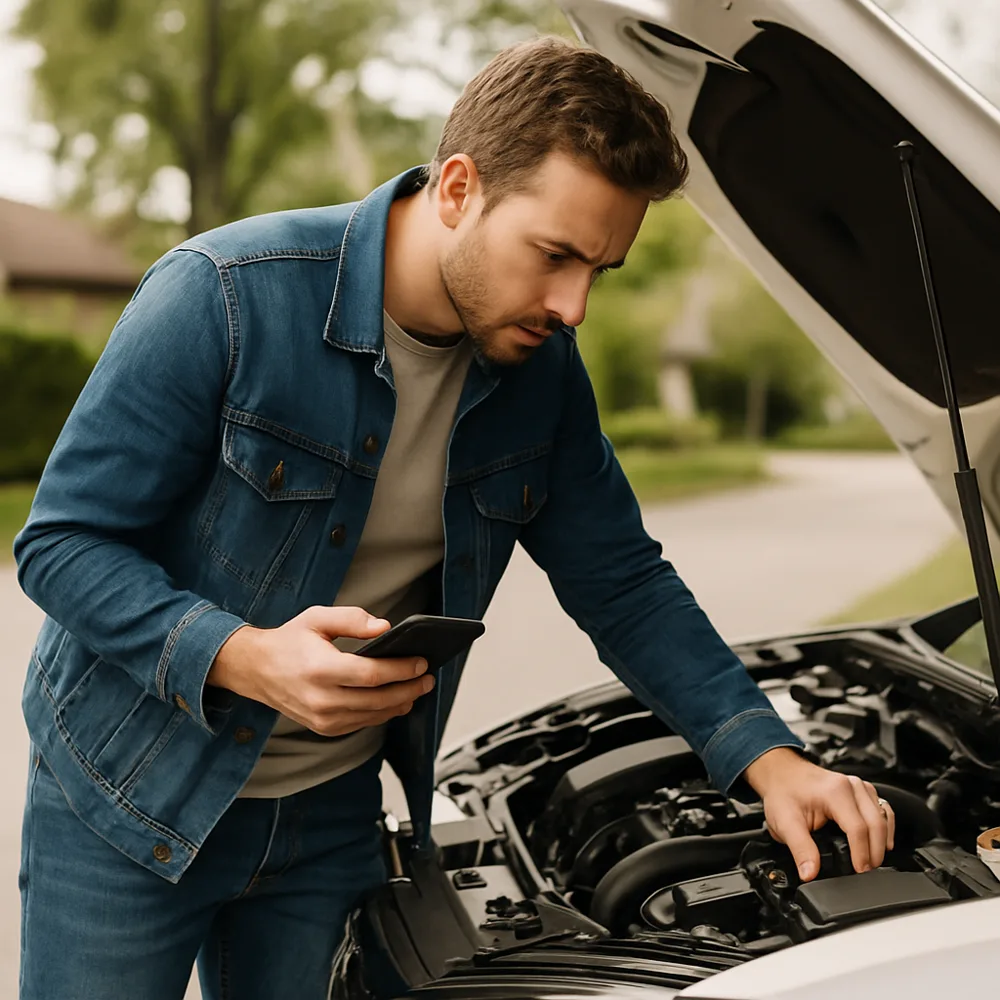
Ask how long the seller has owned the car, why it is being sold, and whether they can show maintenance records. Find out about past accidents, repairs, warning lights, and any recurring issue. Ask whether all keys, manuals, and equipment are included. Clear answers are useful, but treat verbal claims as a starting point rather than proof; look for supporting documents where possible.
Confirm the vehicle’s recorded mileage, ownership documents, and identification details match. Ask whether there is outstanding finance or any restriction on transferring ownership, following the procedures that apply where you live. Check the service history for gaps and ask what work is due next. If the car has been unused for a long period, ask how it was stored and prepared for sale.
Request permission for a thorough test drive and an independent inspection by a mechanic of your choice. Avoid feeling pressured to pay a deposit before you have verified the details and understand the terms. Write down answers and compare them with the paperwork. If a seller refuses reasonable checks, gives inconsistent information, or rushes the transaction, be prepared to leave and consider another car.